On May 11 I went to K.U. Leuven. The distance from my house to Leuven is pretty similar to the distance to Heerlen (Open Universiteit from Monday). However, Leuven is in Belgium, and international trains don’t have quite the same flexible schedule as domestic trains.
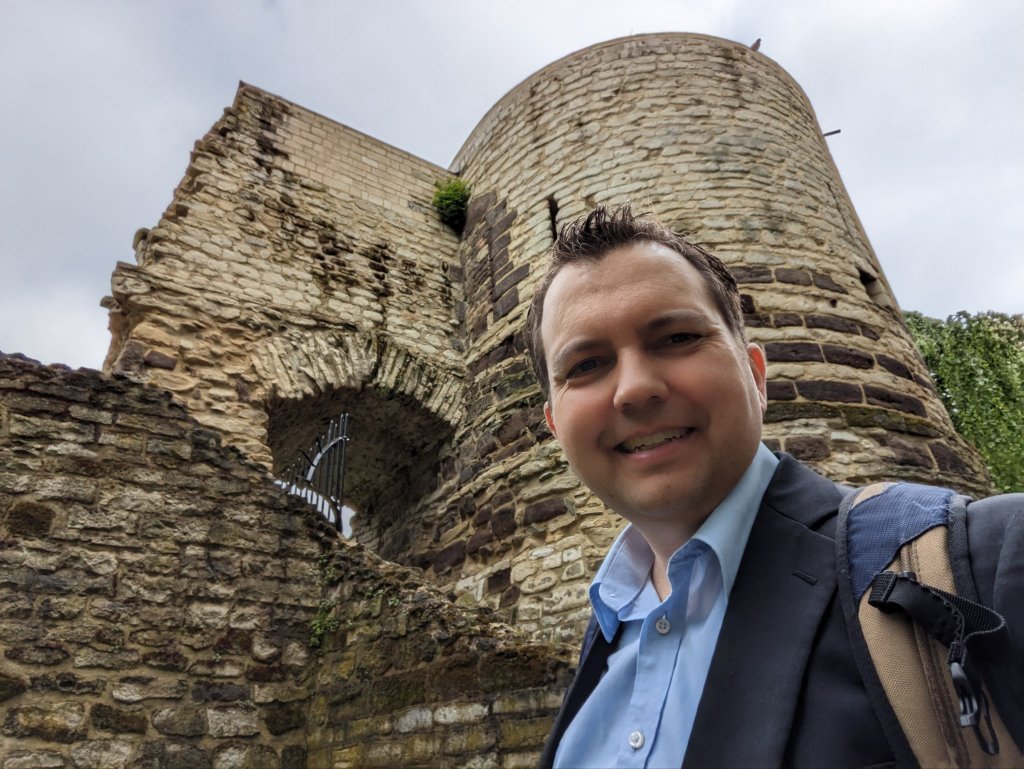
So, while I was able to do the Open Universiteit visit in a single day, I needed to stay a night in Leuven. The nice thing about staying a night, though, is that I got to explore the city the next morning!
The workshop was great. Probably one of the largest seminar audiences I’ve ever had. K.U. has a very large PhD program (sometimes taking 6+ students in a single year; most schools only take 1-2). With that big of a program, sometimes I’ve noticed people shirk a bit: they don’t read the paper, relying on others to provide comments. Not so at K.U.! Very active discussion with great comments and a typed referee report from the PhD students. Thanks everyone!
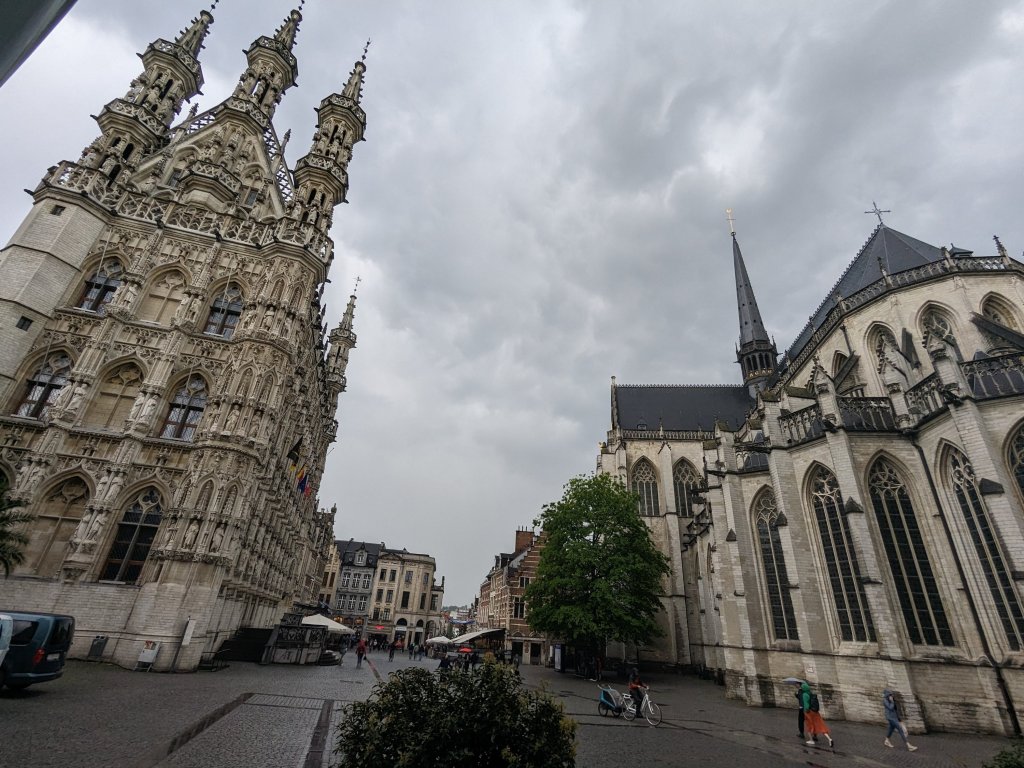
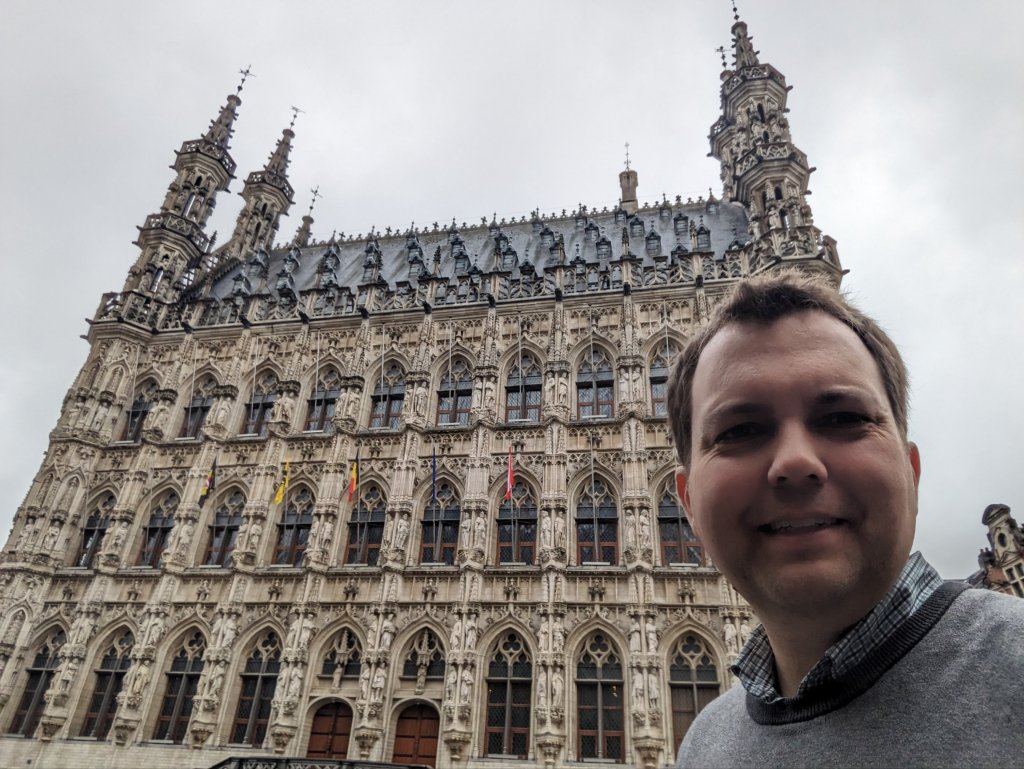
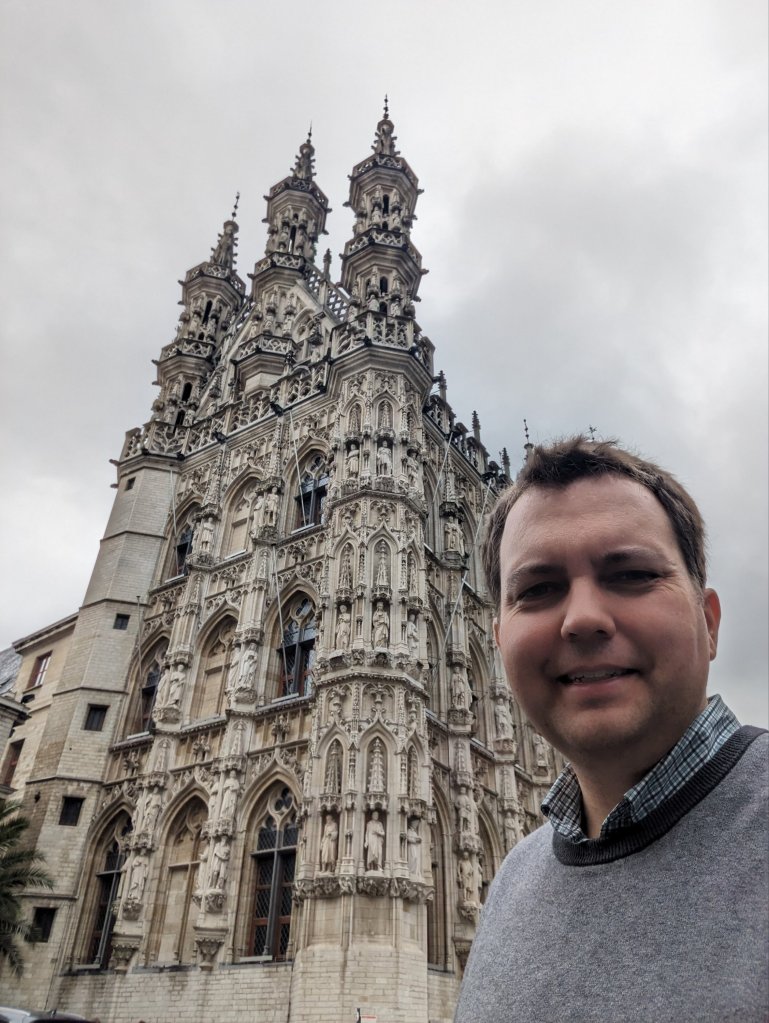
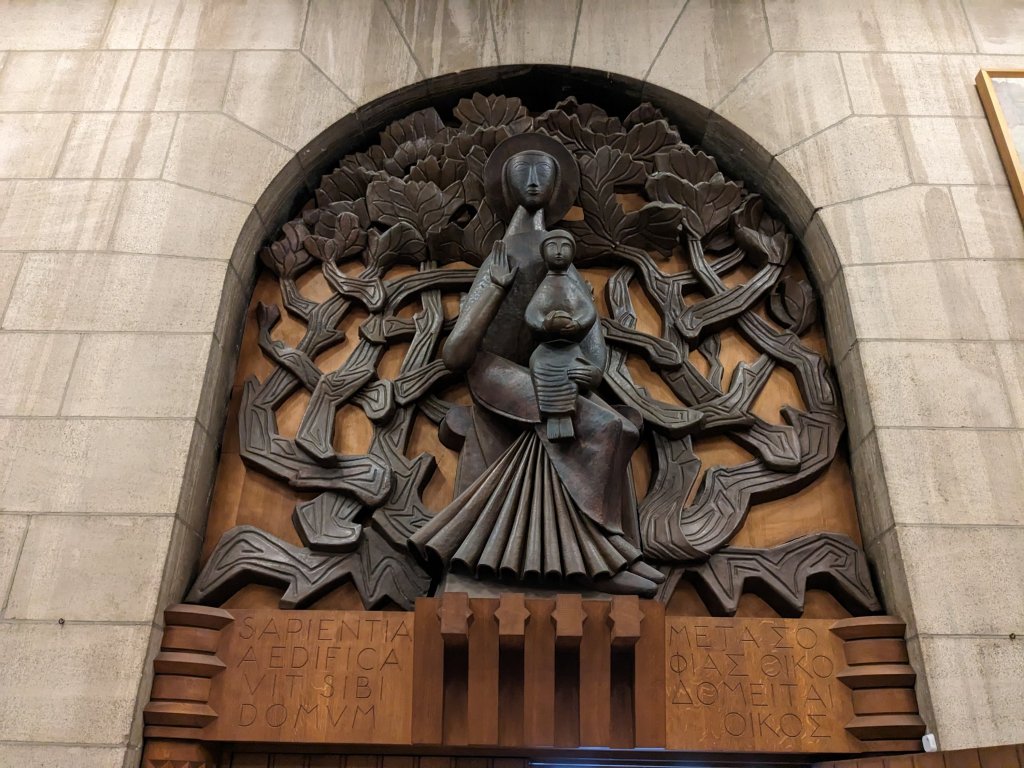
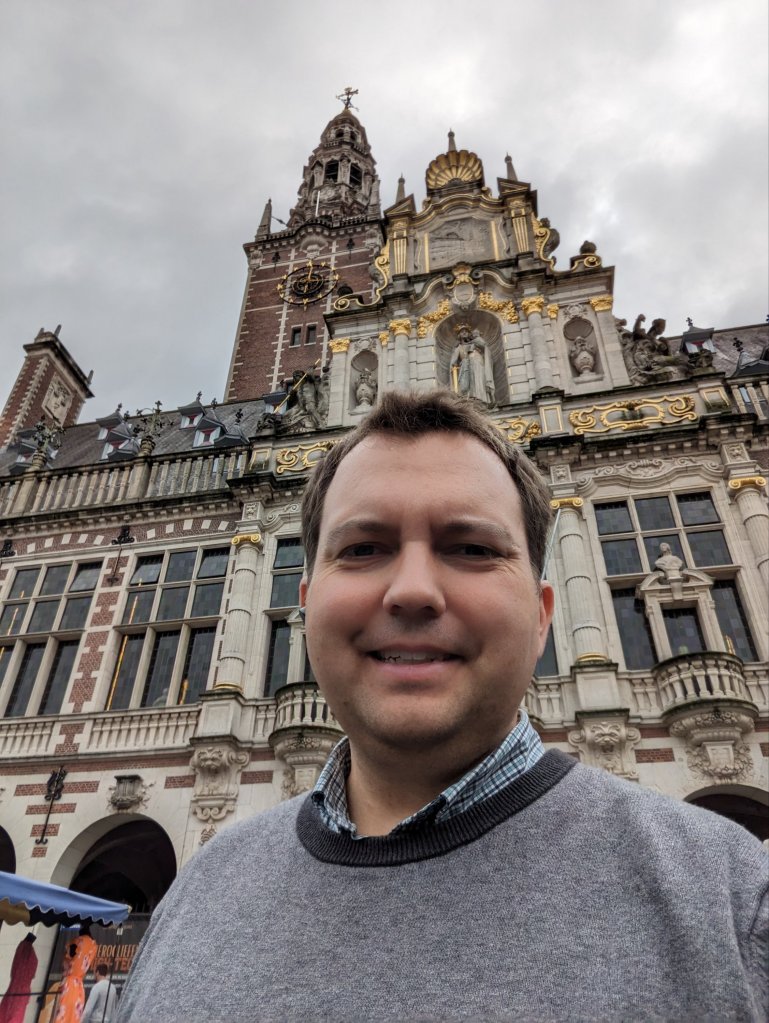
Now, Leuven itself is rich in history. Beautiful churches and old buildings, etc. In my opinion, however, the most interesting piece of history is the university library.
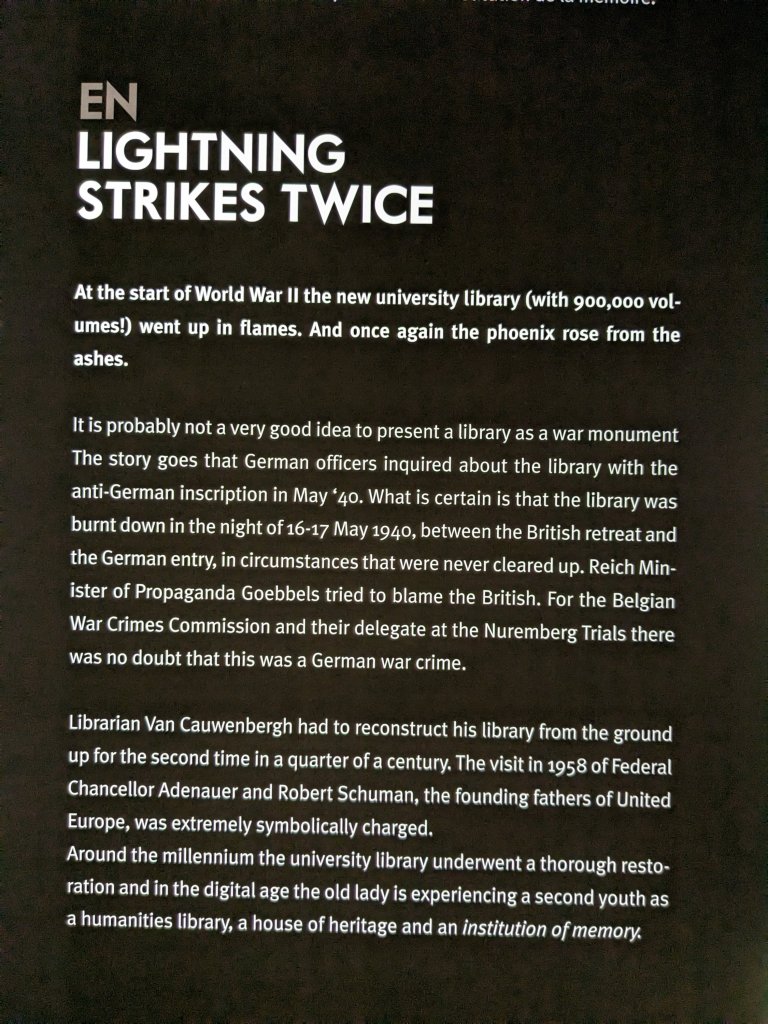
The library was destroyed in WW1 as retribution for alleged civilian sniper fire. It became a rallying cry: “look how the Germans burn libraries!” After the war, the allies paid to rebuild it. It remained a pretty political building, somewhat of a “rub it in Germany’s nose” sort of thing. There was even a slogan to the effect of “Germany destroys, America rebuilds.”
So, no wonder that the library was one of the first casualties of WW2.
It became another rallying cry, and after the war, American schools and other organizations donated to rebuild it. The architect wanted to engrave in stone the “Germany destroys, America rebuilds” slogan, but the university chancellor wisely replied something to the effect of, “We’ve antagonized the Germans enough at this point. Let’s put the past behind us and try for peace without being abnoxious.”
 Dutch Bentleys